There’s no single route into a career in Computer Science. In this Q&A, a Gold Youth STEMM Award participant speaks to their school’s Head of Computer Science about career pathways, teaching, and advice for aspiring technologists.
As part of my Gold Youth STEMM Award, I wanted to explore what it really takes to pursue a STEMM career — not just the qualifications, but the mindset. I sat down with the Head of Computer Science at my school to learn how his journey evolved from software engineering to teaching, and what advice he’d give to someone like me, aspiring to work in tech, AI, or education. Here’s what I learned.
Q1: Can you tell me about your current role and what it involves day to day?
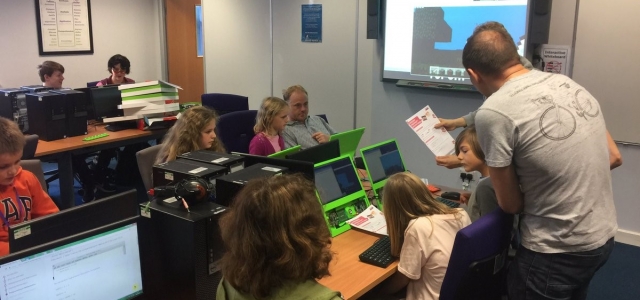
As Head of the Computer Science department, I teach GCSE and A-Level students, oversee curriculum planning, and support other teachers in the department. I also liaise with school leadership to keep the subject aligned with national developments. Outside teaching, I run clubs, support competitions, and keep the department’s digital infrastructure up to date.
Q2: What educational and training pathway did you follow to get into this career?
I studied Computer Science at the University of Reading and then completed a PGCE to qualify as a teacher. I began as a classroom teacher, then took on pastoral and academic responsibilities over time, which eventually led to the department head role. Staying up to date with modern tools and languages has been essential throughout.
Q3: Were there any experiences that influenced your decision to work in education instead of going into industry?
Initially, I considered working in software engineering, but I had always enjoyed mentoring others. During my degree, I volunteered as a teaching assistant in outreach programmes, which sparked my interest in education. It felt rewarding to see students develop real-world problem-solving skills.
Q4: What skills do you think are most important in your role, beyond technical knowledge?
Communication is key — being able to explain complex topics clearly and adapt to students’ needs. Time management and organisation are also crucial, especially when balancing leadership duties. And patience — not everyone learns at the same pace, so you have to tailor your approach constantly.
Q5: What changes have you seen in the teaching of Computer Science in recent years?
There’s been a significant shift toward integrating real-world applications like cybersecurity, data science, and AI. Programming is being introduced earlier, and there’s more focus on inclusive access and ethical computing. The curriculum is trying to reflect how technology actually impacts society.
Q6: What advice would you give to a student interested in a Computer Science career?
Stay curious. Learn beyond the syllabus — explore open-source projects, attend summer schools, and build things you find interesting. Computer Science is not just about syntax; it’s about how you approach problems. Also, don’t be afraid to fail — debugging is half the learning process.
Q7: What’s the most rewarding part of your job?
Definitely seeing students thrive — when they build something from scratch, succeed in competitions, or decide to study Computer Science further. Knowing that I played a small part in inspiring them is what makes the job worth it.
This interview helped me see that there’s no “one right path” in STEMM. It showed me how careers can grow, shift, and hybridise — and how communication, creativity, and purpose are just as essential as technical skill. I’m now even more inspired to explore how teaching, AI, and inclusive tech can overlap in my future. Huge thanks to my teacher for sharing his journey with me — and to the Youth STEMM Award for encouraging us to go beyond the classroom and engage with real-world professionals.
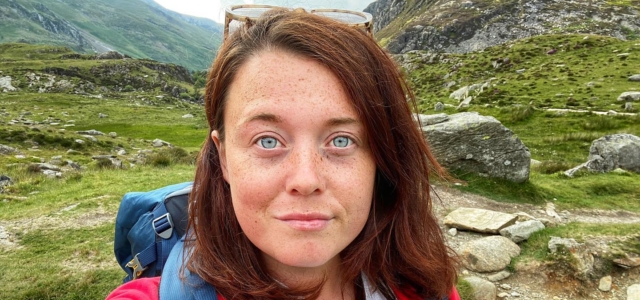
 Daria is a Year 13 student currently completing her Gold Youth STEMM Award. Her main interests lie in artificial intelligence, education technology, and space science, and she is aiming to pursue computer science at university and beyond.