Why are women’s symptoms so often dismissed in healthcare? In this post, a Youth STEMM Award participant explores gender bias in medicine, how it developed, and what needs to change to create fairer healthcare for all.
There are many gender differences in the way the human body works, yet the medical profession has historically failed to adequately adopt these differences into the diagnosing and treating of patients. Stereotypes such as women exaggerating pain, serious pain being seen as psychological, or symptoms being considered weight related. What is the nature of this?
There are major gaps in the research of biological differences in the influences on diseases, and treatments. As a result, a large mass of research done prior to the 1990s is unsubstantiated, women were not represented, this is shown by the fact that the National Institutes of Health did not require women to be included in research until then. So how can studies done before then show conclusive evidence for medication effects on women? Well, it can’t.
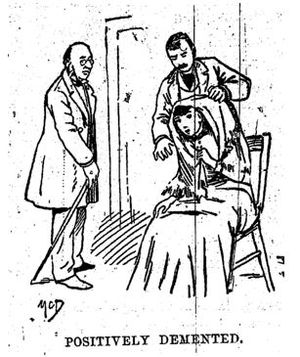
Moreover, even as women have begun to be included in the research programs after 1990 there has not been enough put in place to ensure that organisations findings on this are published in scientific literature, unless the topic was related more specifically to female gender, so any new finding of medical problems were often assumed to be general. This has led to unrepresentative findings being published about women’s health.
This inequality is known as gender bias; the consequences of this can include:
- Knowledge gaps
- Lack of women in leadership (if men are in charge of a study then what is making them include women, they’ve never experienced any differences in health conditions)
- Delayed diagnosis (doctors not taking women’s symptoms seriously)
- Inadequate symptom management
- Avoidance of medical care (women may have had negative experiences of having their symptoms dismissed, so they are hesitant to go back to the doctor)
There are several ways to end gender bias in medicine, the most obvious being education and awareness. This is something that is said about most issues, however if the organisations running these studies and drug trials etc they need to now set up equal gender or specific gender research to make their research more representative so that it includes women and makes necessary adjustments for the theories around women’s bodies, then research and healthcare won’t move forward.
There are also calls to make healthcare treatments more standardised so that a set of questions are asked upon a doctor’s visit and there is minimal variation between genders etc. This has its pros and cons, because standardising treatments and questions doctors ask may reduce gender bias but may also lead to ineffective care, as some professionals may have fears about deviating from standardised practices. This could lead to doctors not wanting to explore explanations linked solely to women’s specific health conditions, causing doctors to misdiagnose or avoid certain plausible options altogether.
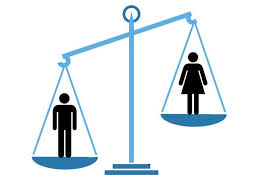
Self-advocacy is becoming a more prominent solution to this, where women try to advocate for themselves and their diagnosis. This could be by speaking to additional medical staff, questioning doctors as to why they are going down or not going down particular courses of treatment, as well as reporting any suspected bias.
There has been a recent change due to equality acts etc, which has meant that more women are in key positions within companies that carry out and fund this research. They are able to realise that these drugs are better targeted by focusing on research that includes underrepresented groups to make sure that all groups are covered by identifying genetic variation. This also allows the medical institutions to have clearer and better results for the wellbeing of the general public, as well as making research findings more representative when rolled out to the general medical practices, this will allow for more targeted treatments for all.
In short, organisations need to put more in place such as improving their policies and practices if we want to see gender bias being reduced. Improvements are now starting to make headway for underrepresented groups, and this needs to continue.
References
https://www.liebertpub.com/doi/abs/10.1089/15246090050073576
https://www.medicalnewstoday.com/articles/gender-bias-in-healthcare#examples https://time.com/6074224/gender-medicine-history/
 Hannah is a year 12 student from Northumberland who has recently completed her Gold Youth STEMM Award.